
Introduction
Growth is supposed to feel like momentum. For many finance and operations teams, it feels like more spreadsheets, longer month-end closes, and a backlog of “quick” report requests that never shrinks. The ERP is in place, but the people around it are still doing too much manual work.
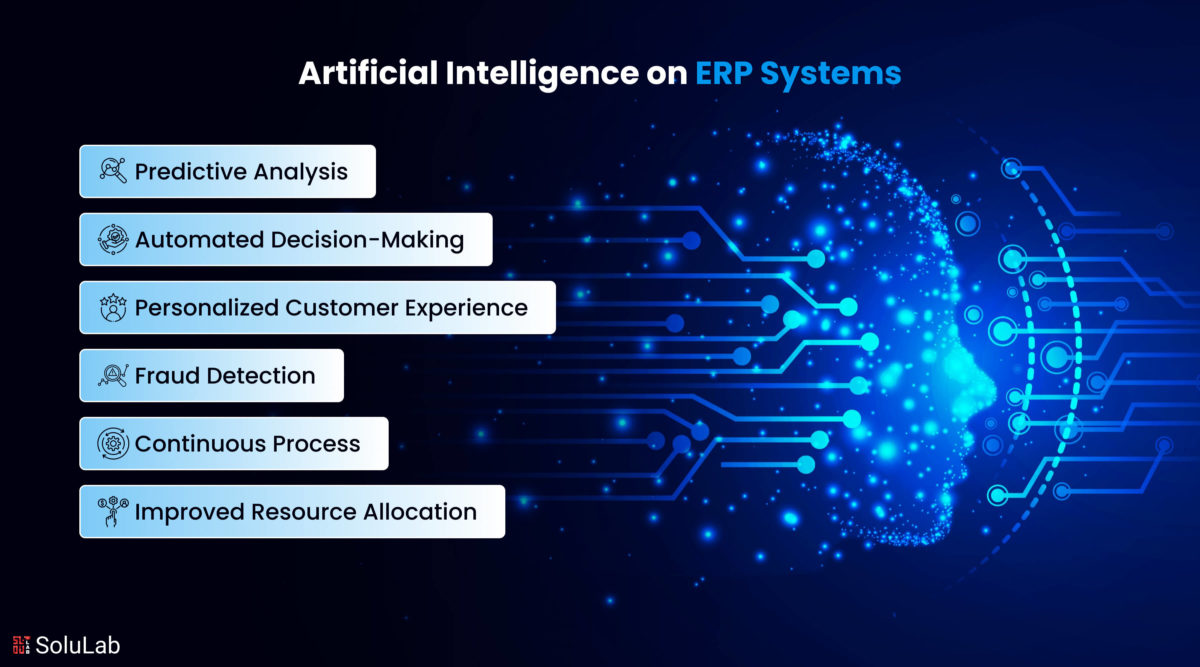
That is why a growing number of businesses are looking beyond a standard NetSuite rollout and toward AI-powered transformation: combining NetSuite’s unified data model with AI agents, intelligent automation, and well-built customizations that remove repetitive work instead of just recording it.
In this post, we look at what AI-powered NetSuite transformation actually means, why growing businesses are adopting it now, and how to approach it without disrupting the systems your teams rely on every day.
The Ceiling Growing Businesses Hit With Manual Processes
Most scaling companies run into the same wall. Transactions multiply, subsidiaries get added, and suddenly the processes that worked at 50 employees start breaking at 200. Approvals sit in inboxes, journal entries are keyed in by hand, and saved searches are exported to Excel for one more round of manipulation before anyone trusts the numbers.
None of this is a NetSuite problem. It is an adoption and automation problem. NetSuite already holds the transactional truth: the general ledger, open purchase orders, inventory positions, customer balances. The gap is in how much human effort still sits between that data and a finished task.
AI closes that gap. Instead of a controller chasing unapproved bills or an analyst rebuilding the same variance report each month, AI agents can read the data, take the routine action, and surface only the exceptions that genuinely need human judgment.
What AI-Powered NetSuite Transformation Actually Looks Like
The phrase “AI transformation” gets used loosely, so it helps to be concrete. In a NetSuite context, it typically includes:
-
Conversational access to ERP data: asking questions in plain language and getting answers drawn from saved searches, SuiteAnalytics datasets, and transaction records, without waiting on a report request.
-
Agentic task execution: AI agents that can create or update records, route approvals through SuiteFlow, match invoices to purchase orders, and prepare journal entries for review.
-
Accelerated month-end close: automated reconciliations, anomaly detection on unusual entries, and close checklists that update themselves as work completes.
-
Smarter procurement: flagging price variances, monitoring vendor performance, and drafting purchase orders from demand signals already in the system.
The common thread is that AI works inside NetSuite, respecting roles and permissions, subsidiaries, and approval hierarchies, rather than bolting on a separate tool that creates yet another data silo.
Why Now: The Timing Behind the Shift
Three forces are converging. First, AI capability has matured to the point where multi-agent systems can reliably handle structured ERP work, not just chat. Second, growing businesses face persistent talent constraints: hiring another accountant for every new subsidiary does not scale, but automating the routine 60 percent of their workload does. Third, the SuiteCloud platform (SuiteScript, SuiteApps, SDF-based deployment) gives partners a robust, upgrade-safe way to embed AI directly where the work happens.
Companies that move early gain a compounding advantage. Every automated workflow frees capacity, and that capacity gets reinvested in analysis, forecasting, and customer-facing work instead of data entry.
Where the Returns Show Up First
For most organizations, the fastest wins come from finance operations: the month-end close, accounts payable, and reporting. These are high-volume, rules-heavy processes where AI accuracy is easy to verify and the time savings are immediately visible.
Procurement and order management follow closely. AI that watches open POs, receipt discrepancies, and fulfillment exceptions catches issues while they are still cheap to fix. And for leadership, conversational analytics turns “can someone pull this for me?” into an answer in seconds, which changes how often decisions are actually informed by live ERP data.
For NetSuite partners, the shift is equally significant: clients increasingly expect AI capability as part of any implementation or optimization engagement, and partners who can deliver it stand apart in competitive evaluations.
How to Approach Transformation Without Breaking What Works
AI-powered transformation succeeds when it is grounded in ERP discipline. A practical sequence:
-
Stabilize the foundation: clean master data, rationalize customizations, and confirm roles and permissions reflect how the business actually operates.
-
Automate the obvious: use SuiteFlow and scripting to remove clearly repetitive steps before layering intelligence on top.
-
Introduce AI where judgment is codified: start with processes that have clear rules and audit trails, such as invoice matching or close task tracking.
-
Test in sandbox, deploy with SDF: treat AI features like any other customization, with proper versioning and controlled release.
-
Measure and expand: track hours saved and exception rates, then extend agents to adjacent processes.
This staged approach keeps auditors comfortable, keeps users confident, and keeps the ERP the single source of truth.
How Suitefy Helps
Suitefy has been in the NetSuite ecosystem since 1998 as a NetSuite Alliance Partner, with more than 100 projects delivered for over 200 customers at a 100 percent success rate. That track record spans implementation, customization, data migration, integration, managed services, and staff augmentation, which means AI transformation is built on solid ERP fundamentals rather than layered over shaky ones.
At the center of our AI offering is Liora, the Suitefy AI Assistant: a multi-agent AI assistant embedded directly in NetSuite. Liora lets teams query ERP data conversationally, automate month-end close activities, streamline procurement, and execute routine tasks through agents that respect NetSuite roles, permissions, and approval flows.
With teams across the USA, India, Australia, and the Middle East, Suitefy supports both NetSuite partners scaling their delivery capacity and end users planning their own transformation, in whatever time zone the work needs to happen.
Conclusion: Turn Growth Into Momentum Again
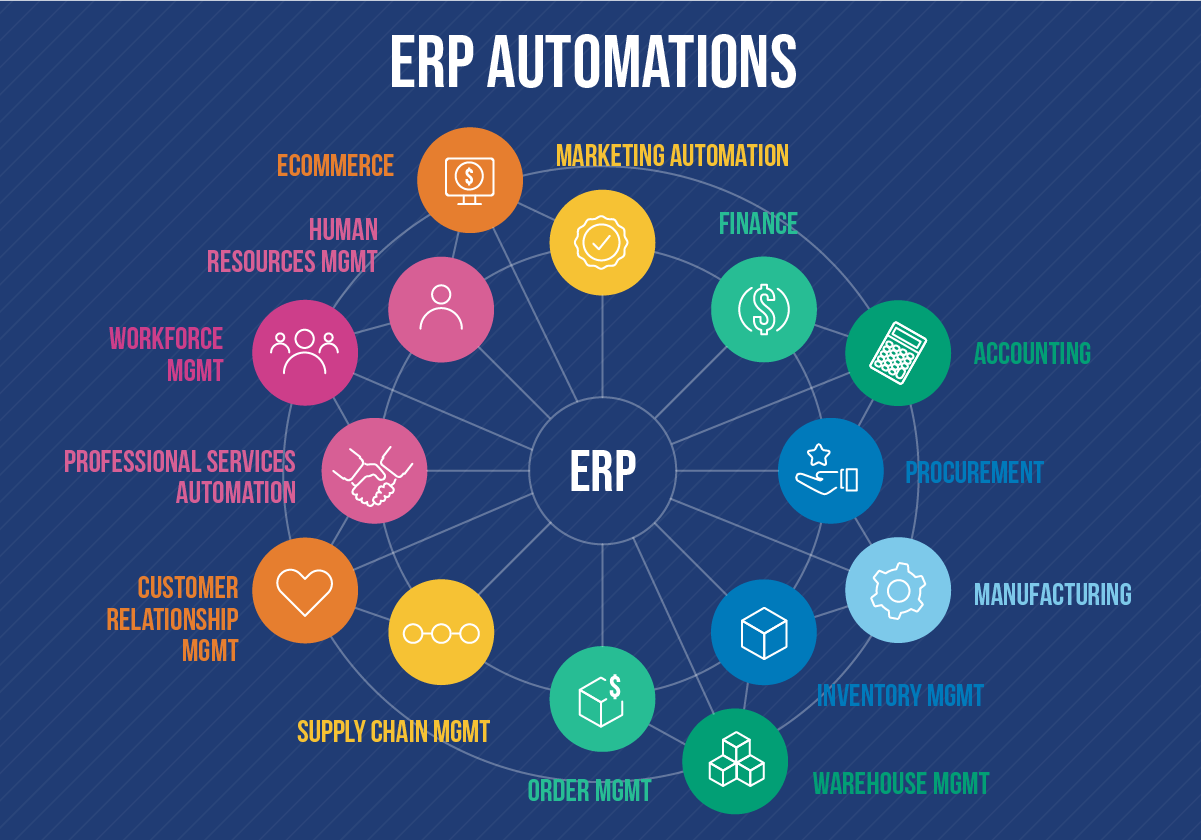
Growing businesses are choosing AI-powered NetSuite transformation because it converts the ERP from a system of record into a system of action. The data is already there; AI puts it to work.
If your team is spending more time operating NetSuite than benefiting from it, it is time for a conversation. Talk to our NetSuite experts and see what an AI-powered NetSuite could do for your business.