
Meta description: Discover how AI agents go beyond SuiteFlow workflows to reason, act, and automate NetSuite operations, from month-end close to procurement and data quality.

AI agents connect reasoning to every corner of your ERP, from KPIs to open records.
Introduction
For years, NetSuite teams have automated the predictable. SuiteFlow workflows route approvals, SuiteScript handles custom logic, and saved searches surface exceptions. This automation layer has served finance and operations teams well, but it shares one limitation: it only does what it was explicitly told to do, in the exact sequence it was told to do it.
AI agents change that equation. Instead of following a fixed path, an agent can interpret a goal, gather context from across your NetSuite account, decide on a course of action, and execute it, pausing for human approval where the stakes demand it. The shift is from automation that follows rules to automation that reasons.
In this post, we look at what separates AI agents from traditional NetSuite workflows, where agents deliver the most value today, and how to adopt them without compromising the roles, permissions, and controls your business depends on.
Workflows Automate Steps. Agents Pursue Outcomes.
A SuiteFlow workflow is a map: if a purchase order exceeds a threshold, route it to a manager; if a record enters a state, send an email. Every branch must be anticipated and built in advance. When reality steps outside the map, the workflow stalls and a human picks up the pieces.
An AI agent works from an outcome rather than a map. Ask it to “reconcile these open vendor bills against receipts” and it determines which records to query, which discrepancies matter, and what to propose next. It can run a SuiteQL query, inspect a transaction, draft a journal entry, and explain its reasoning in plain language.
The practical difference shows up in the edge cases. Workflows excel when 95 percent of transactions look the same. Agents earn their keep in the messy 5 percent that used to land in someone’s inbox with a note that says “can you look at this?”
Where AI Agents Deliver Value in NetSuite Today
The strongest early results come from processes that are high-volume, context-heavy, and painful to script exhaustively.
Month-end close. Agents can work through reconciliation checklists, flag unposted transactions across subsidiaries, identify anomalies in account balances, and prepare adjusting entries for review. The close still belongs to the controller; the agent removes the hunting and gathering.
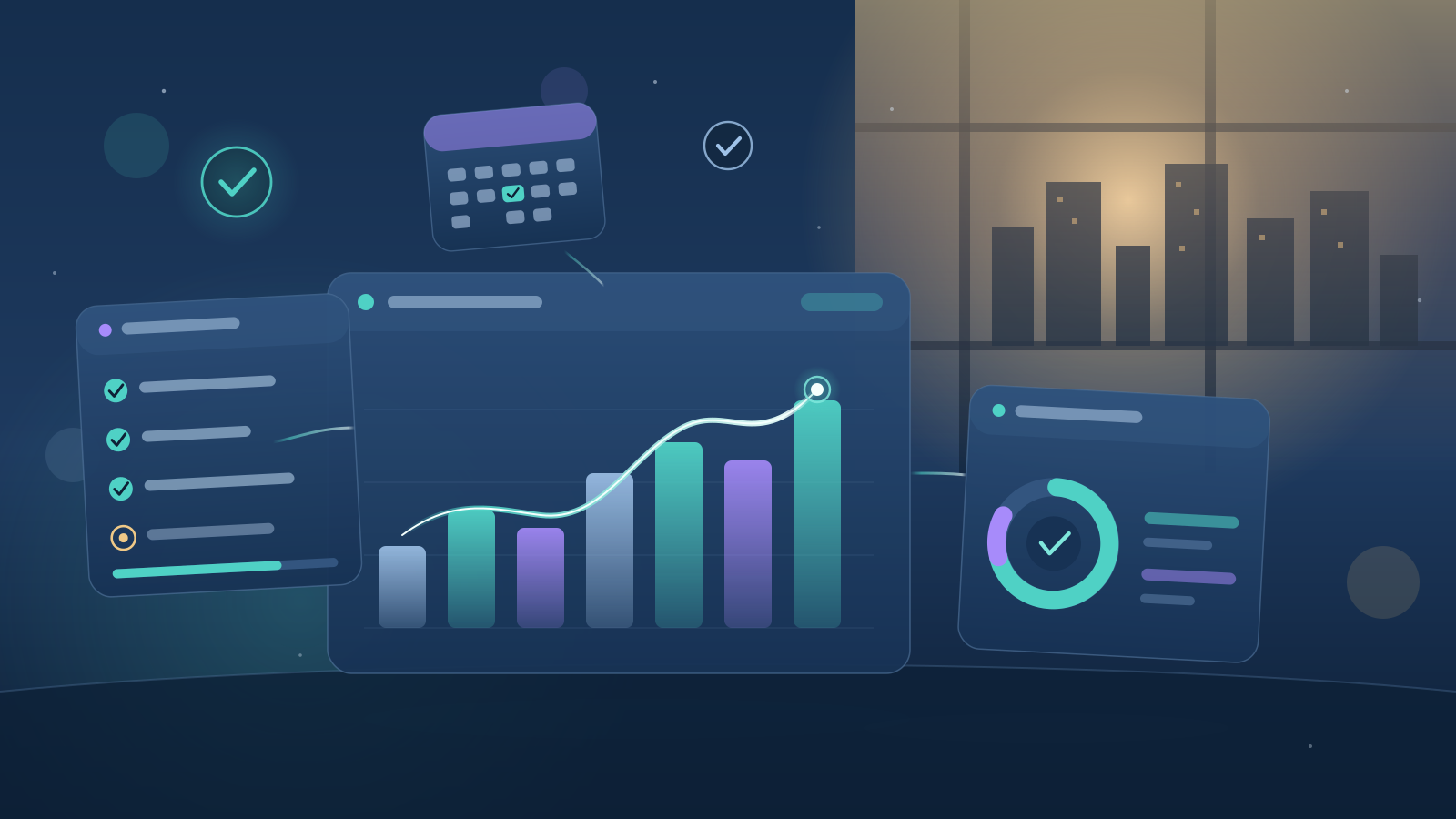
A calmer close: agents prepare the checklists, reconciliations, and anomalies so your team reviews instead of hunts.
Procurement. From parsing vendor bills to matching them against purchase orders and receipts, agents compress the invoice-to-payment cycle. They can spot duplicate bills, catch pricing that drifts from contract terms, and queue exceptions with the context an AP clerk needs to resolve them in one touch.
Data quality and record hygiene. Agents can audit item records, customer master data, and chart-of-accounts structures continuously rather than in painful annual cleanups, proposing corrections instead of just reporting problems.
Reporting and analysis. Instead of waiting on a saved search request, business users can ask an agent a question in plain language and get an answer grounded in live transaction data, complete with the drill-down path to verify it. The agent handles the SuiteQL; the user keeps the judgment.
The Guardrails That Make Agents Enterprise-Ready
The obvious objection is control. Finance systems are not a place for software that improvises without limits, and a well-designed agent architecture treats that concern as a design requirement, not an afterthought.
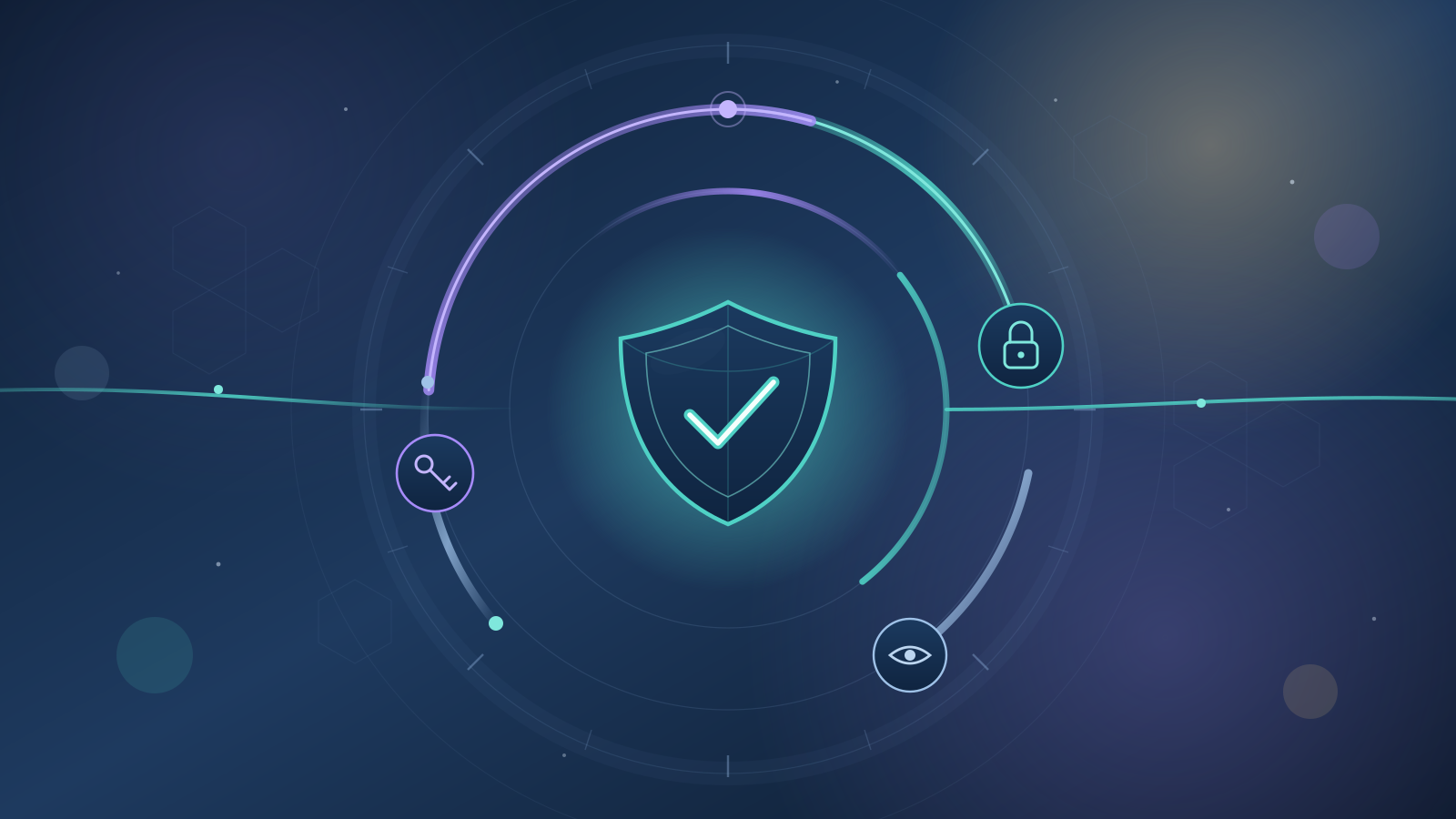
Three layers of protection: role-based access, human-in-the-loop approval, and data loss prevention.
Three guardrails matter most. First, role-based access control: an agent should operate strictly within the NetSuite roles and permissions of the user it serves, seeing and touching only what that user could. Second, human-in-the-loop confirmation: any action that creates, modifies, or approves a transaction should pause for explicit sign-off before it posts. Third, data loss prevention: sensitive fields and records should be filtered before they ever reach a model, and every agent action should leave an auditable trail.
Agents built natively on SuiteCloud, deployed as a SuiteApp through SDF, inherit NetSuite’s security model rather than working around it. That native posture is the difference between an AI experiment and an AI capability your auditors can live with.
Agents and Workflows Are Better Together
None of this makes SuiteFlow obsolete. Deterministic processes with regulatory or financial significance, such as approval chains and posting rules, should stay deterministic. The winning pattern layers agents on top of workflows: the workflow enforces the guardrails and the agent handles the judgment calls inside them.
Think of it as division of labor. Workflows own the “must always happen exactly this way.” Agents own the “figure out what is going on and propose what to do.” Humans own the final word on anything material. Teams that frame adoption this way avoid both extremes: brittle over-scripting on one side, ungoverned automation on the other.
How to Start Without Boiling the Ocean
Begin with one process where the pain is visible and the risk is bounded. Vendor bill processing and close-task preparation are common first wins because the agent’s output is a proposal a human reviews, not a posting that happens silently.
From there, measure honestly: hours returned to the team, exception resolution time, error rates before and after. Expand agent scope only as trust is earned, and revisit roles and permissions at each step. A sandbox-first rollout, exactly as you would stage any SuiteApp deployment, keeps the learning curve away from production data.
How Suitefy Helps
Suitefy has been a NetSuite Alliance Partner and services company since 1998, with more than 100 projects delivered for over 200 customers at a 100 percent success rate. Our teams across the USA, India, Australia, and the Middle East support both NetSuite partners scaling their delivery capacity and end users planning their own rollouts.
For organizations ready to move beyond workflows, we bring two things together. The first is the Suitefy AI Assistant, a multi-agent AI assistant embedded natively in NetSuite, with specialized agents for month-end close and procurement, built with role-based access control, human-in-the-loop confirmation, and data protection at the core. The second is the implementation, customization, and integration expertise to fit agents into your specific subsidiaries, approval structures, and SuiteScript customizations, backed by managed services and staff augmentation when your team needs extra hands.
Conclusion
AI agents are not a replacement for the NetSuite automation you have already built. They are the layer that finally handles the judgment work your workflows were never designed for: the exceptions, the reconciliations, the questions that start with “why does this number look off?” The organizations that adopt them deliberately, with guardrails and a narrow first use case, will compound the advantage every quarter.
Ready to see what AI agents can do inside your NetSuite account? Talk to our NetSuite experts and we will map your first agent use case together.